Table Of Content
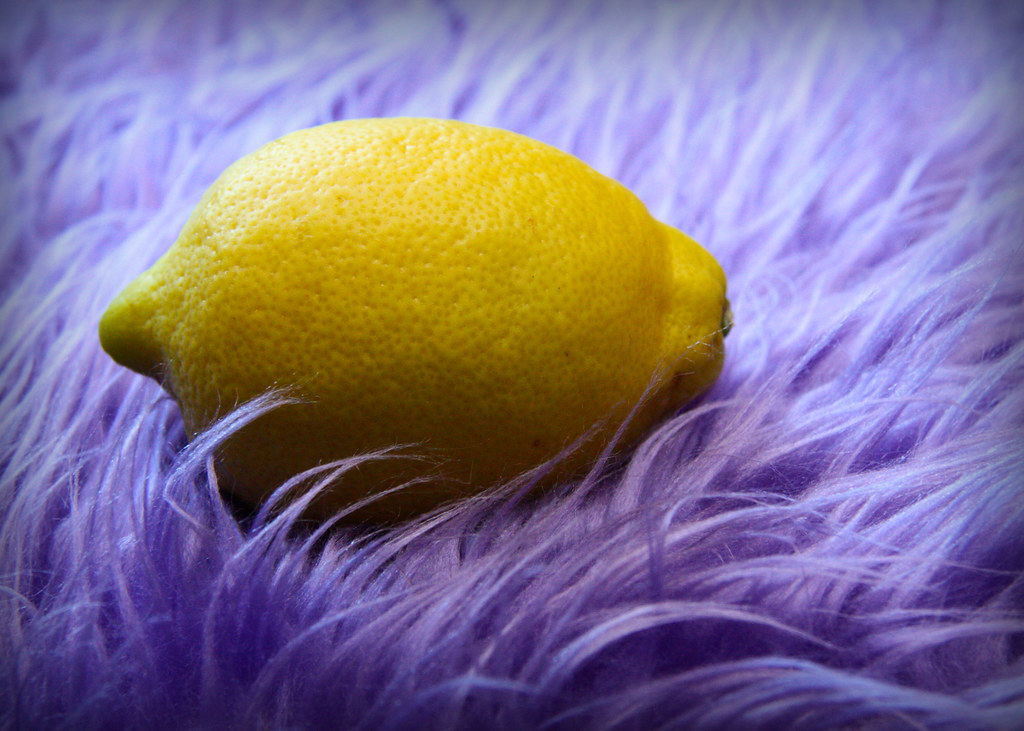
But, if you’re a beginner it can help to learn how to mix muted tones to create balance in an artwork. Then, when you feel comfortable with this, try using techniques to gradually increase the value contrast, saturation and texture. High contrast in art refers to an image where there is a big difference between the light and dark values. Low contrast, on the other hand, is when there is not much difference between the light and dark values.
An interactive guide to color and contrast - FlowingData
An interactive guide to color and contrast.
Posted: Thu, 22 Jun 2023 07:00:00 GMT [source]
Types of Contrast in Web Design
MailChimp, an email marketing platform, uses contrast effectively on its landing pages. They utilize bright, bold colors for their CTA buttons against a muted background, making it virtually impossible for visitors to miss their next action step. One such tool is Adobe XD, which provides an option to check color contrast right in the design process, helping ensure your design is not just appealing, but also accessible. Similarly, Sketch, another popular design tool, also offers plugins like Stark that allow you to test your design’s color contrast easily. What caught our eye among the rich variety of page content is the body of text at the very top, which includes a short paragraph of three sentences. Three contrasting relationship exist within six lines alone, the most unique being the animated word “diverse”.
Size
Yes, our human brain is wired to spot contrasts and attach meaning to them. We will always scan from bigger to smaller, and that is what we call visual hierarchy. By varying the typeface, color, shape, and size of your text you can control what the customer sees first and last. The Gestalt principles of design tell us that each design has a figure and ground setting.
Seeing the Unseen: A Designer’s Guide for the Color Blind

These can include a range of dark to light components, an array of textures, or even an assortment of colors. The placement of elements can create a sense of balance, imbalance or asymmetry. For example, if you were to create a high contrast painting, with all the light focussed in one area, the viewer’s eye would be drawn to the lightest areas first and generally ignore the concentration of shadows. Think about leading the viewer’s eye in, so that they first notice the focal point, then other salient elements. The way the viewer’s attention is progressively grabbed by different elements in the painting is called rhythm.
Authority – How to Establish Credibility in Speech & Writing
These letters are in color, as opposed to the rest of the black text. Not only are the color-changing letters animated (juxtaposed with static text), but there is a contrast between the letter colors themselves. Any digital or physical interface, even a minuscule dot of ink on a paper, automatically has an element of foreground and background. What’s unique to web design is not only the vast options of background-types, but also the fact that a background can change dynamically as the site visitor interacts with it. Any such element can choose to be static or interactive — changing dynamically on its own or triggered by user interaction.
Top 5 Rules for Selecting the Right Font for Your Logo
Kimp’s unlimited graphic design (Kimp Graphics) and video design service (Kimp Video) offers unlimited design requests, revisions, and more at a flat monthly fee. Something out of the box, out of line, and opposite to what one would expect, right? Yes, your design is much more effective with contrast doing the job for you.
Each page provides information about two separate but related products. In this article we’ll explore contrast in art, including its definition and some examples. We’ll also give some tips on how to use contrast to make your own art piece more successful.
This section delves into the myriad ways in which contrast can be thoughtfully applied to text, ultimately enhancing readability and captivating the reader’s attention. Analogous color schemes are well-suited for designs where a soothing and cohesive appearance is desired, such as in interior design or branding for wellness products. Analogous colours are those that sit next to each other on the colour wheel, for example red, orange and yellow.

You can create contrast by using colors that are opposite each other on the color wheel, or by using different shades, tints, or tones of the same color. This can help to highlight specific elements, create a certain mood, or guide the viewer’s attention. We can’t stress the importance of texture enough, but in this case, the two concepts go hand in hand. In interior design parlance, texture refers to the way we perceive that design elements feel. For example, imagine how different it would feel to run your hand over the cool and bumpy tile backsplash versus the smooth table top in the picture above.
Organic shapes are irregular and unpredictable, while geometric shapes have precise edges and consistent curves. So it should come as no surprise that color is one of the most common ways to use contrast in design. An easy trick is to use two colors that are opposites on the color wheel. If you look at Times New Roman up closely, you will see a variation between the thickness and thinness of the letterform. Look at the lowercase “e,” for example, and you will see there are thicker and thinner parts of this letter, making the overall impression of the Times New Roman font lighter and the Helvetica font heavier.
Its clear that you will first read the festival name, then the dates and finally the location. Evaluating the effectiveness of contrast in your designs can be subjective, but there are a few strategies you can use. You can ask for feedback from others, conduct user testing, or even just step back and look at your design from a distance. If the contrast is serving its purpose – whether that’s guiding attention, highlighting information, or creating visual interest – then it’s likely effective.
A high level of contrast can make an artwork look unbalanced and can be quite jarring to look at. It’s important to find a balance that works well with the rest of the composition. Contrast can be defined as the juxtaposition of two elements that are different, but which work together to create a balanced whole.
London design studio Sella Concept used vibrant colours and an assortment of different materials throughout the hotel interior, with the aim of "juxtaposing modernism with a classic theatrical flair". Smooth, red cabinets are set against a blue-green marble back and worktop in this kitchenette, which is located in a studio apartment in the Locke am Platz hotel in Zurich. What you need to do is with this kind of contrast is to use obvious shapes that can be easy to recognize with unusual ones, and let the brain complete the task.
I’ll cover the different ways to use contrast in your designs a little later on, so stay tuned. Building an accessible website is your legal obligation, but it’s also the morally correct thing to do. Why not choose today to do your part to create a more equitable internet for everybody? You can test your own website today using the free WAVE tool, once again developed by Utah State University’s Web Accessibility in Mind group. These descriptions should be concise, thorough and, of course, descriptive. Give your users any and all relevant information so that they can truly experience the photo.
The usage of varying shapes also makes it aesthetic because of the contrast. Now, this does not mean that this applies to blocks of texts alone. For example, if an image is the most important part of your design, the size of the accompanying text must be considerably lesser than that of the image. From our previous blogs on designs and good design vs bad design, we know that design has a purpose in every marketing campaign. The purpose can be to engage the audience, entertain the audience, raise awareness, or serve as a tool for all these in the bigger picture. You know we throw the terms “Good design”, “Bad design”, or just even “design” very lightly.




No comments:
Post a Comment